SALA 2026 Festival - "Global Gaze, South Asian Soul"

Updated: 3 hours ago
The South Asian Literature and Art (SALA) festival presented its 6th edition Global Gaze, South Asian Soul on September 26-27 at Menlo College in Menlo Park, CA. As usual, there were stellar speakers, warm reconnections with previous attendees and old friends, stylish attire to admire, and tasty Indian fare with cups of steaming chai.

I interviewed some speakers / authors at the Festival - Nobel laureate Venki Ramakrishnan, filmmaker Nandita Das, tech executive Kamini Ramani and the incomparable Shobhaa De, journalist. My interviews and articles around the festival have appeared in India Currents and Indica News.
Venki Ramakrishnan discussed with me his journey, the next frontiers in science, his new book, and what lies ahead for him. Read the article and highlights of his keynote session here.
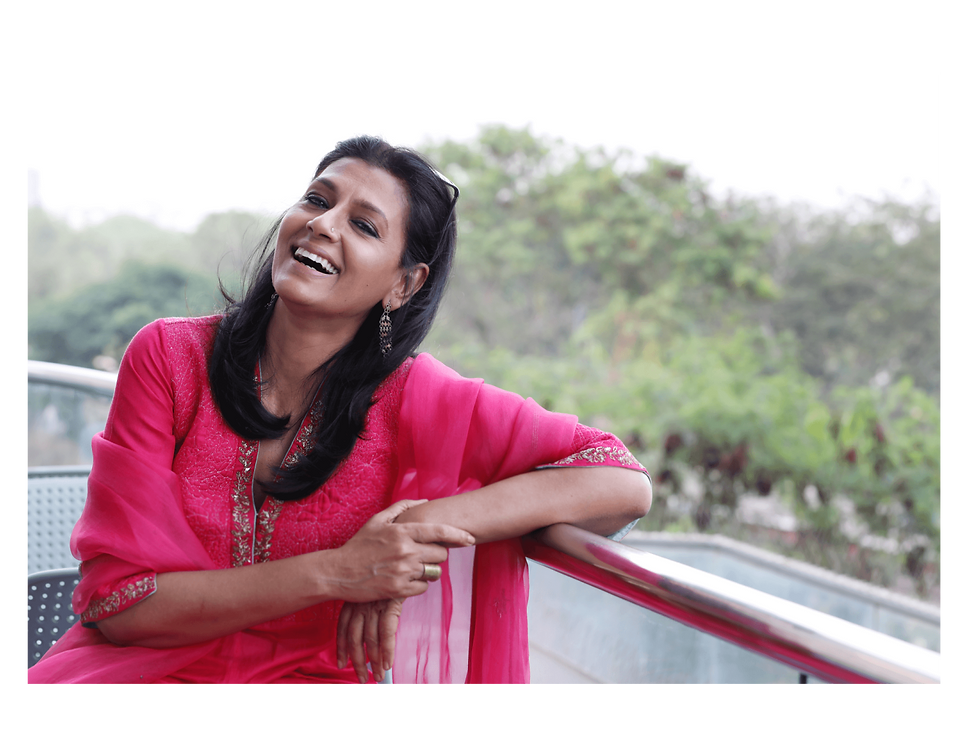
Nandita Das spoke with me about the rightward shift in democracies, the invisible workers of the gig economy, and her upcoming film, for which she is raising funds. My interview and highlights of her keynote session are here.
Kamini Ramani launched her HarperCollins debut, "Lotus Leadership", at SALA 2026 on her 63rd birthday. She spoke with me about the 33 women in its pages, goddess myths, marriage as a family project, and life after Sand Hill Road. Read my interview here.
My Shobhaa De interview is pending publication, and I will post that as soon as it is available. Stay tuned.
Ahead of the SALA 2026 Festival, I spoke with Nandita Dinesh, author and educator, as well as the team behind SALA Bookshop.
SALA Bookshop, a new initiative, was launched to support all authors, and in its first year of operating independently, focused exclusively on authors featured in the festival. As time goes on, SALA Bookshop will explore a potentially broader role in the ecosystem of writing, reviewing, publishing and selling. Read about it here.

Nandita Dinesh ran a Writers' Workshop at SALA 2026, another first for SALA. Read my interview with Nandita here.
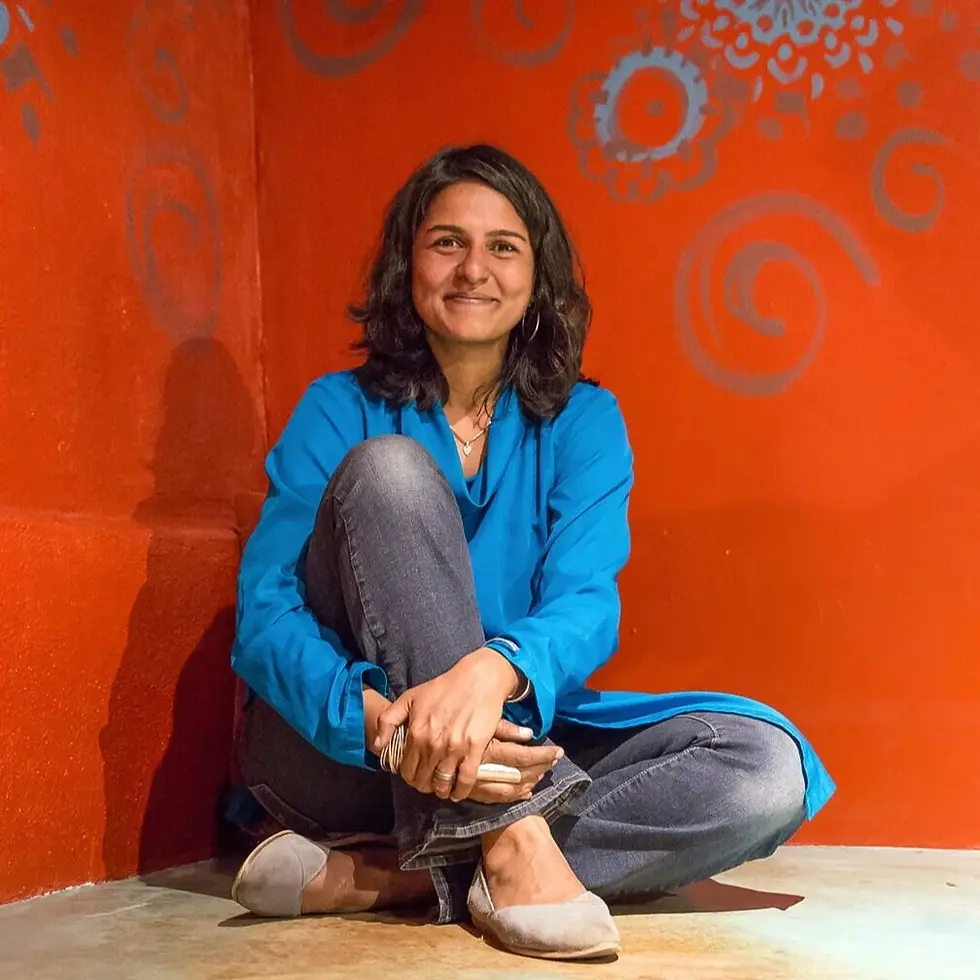
Most of the sessions I attended were Under the Canopy.
A few impressions:
The very first session "Model Minority", was with tech titans Vinita Gupta and Kanwal Rekhi, in conversation with filmmaker Ben Rekhi. Gupta's accounts of starting her own company after being passed over for a promotion, making investor pitches while pregnant, and her daughters' success "in spite of me, not because of me" were poignant. A champion bridge player, she improves her game by learning from the moves that AI makes.
A personal question posed to them towards the end, about love, produced some moving responses. Kanwal Rekhi talked of becoming penpals with a girl from Connecticut in the 1960's, and asking her to marry him when they met for the first time years later when he came to the US. They had a traditional marriage, where she worked in the home, and went to work outside.
Vinita Gupta met her to-be husband Naren in India, but they "chose each other" after meeting again in the US. Touchingly, she said she could not say if they were happy. "We had two control freaks who were together for 47 years."
I was enthralled by the session "Sitara-i-Imtiaz of Pakistan" in which artist and writer Salima Hashmi was in conversation with Kausar Munir. Hashmi's account of growing up as the daughter of Faiz Ahmed Faiz and an English mother Alys Faiz (nee George) was captivating, so much so that I promptly bought both volumes of her memoir Waiting in the Wings and Enter Stage Left.

In "The Novel and the Nation", I learned from a question Vikram Chandra posed to Amitava Kumar (one of the most entertaining panelists to grace any stage, I'm sure, though Manil Suri deserves much kudos as well for his humor and grace) that Salman Rushdie's credited Shobhaa De's Hinglish in Stardust magazine in the 1970's for having emboldened him to use the language he crafted in Midnight's Children. Shobhaa confirmed this in a conversation I had with her later, saying Rushdie had said that to her. (So perhaps we could call her Midnight's Mother! Or, Midnight’s Muse? 🤔). That goes down as a pretty awesome learning, I must say.
I took some photos with attendees and old friends over the course of the festival, perhaps not as many as earlier festivals with all the interviewing. :-)


Comments